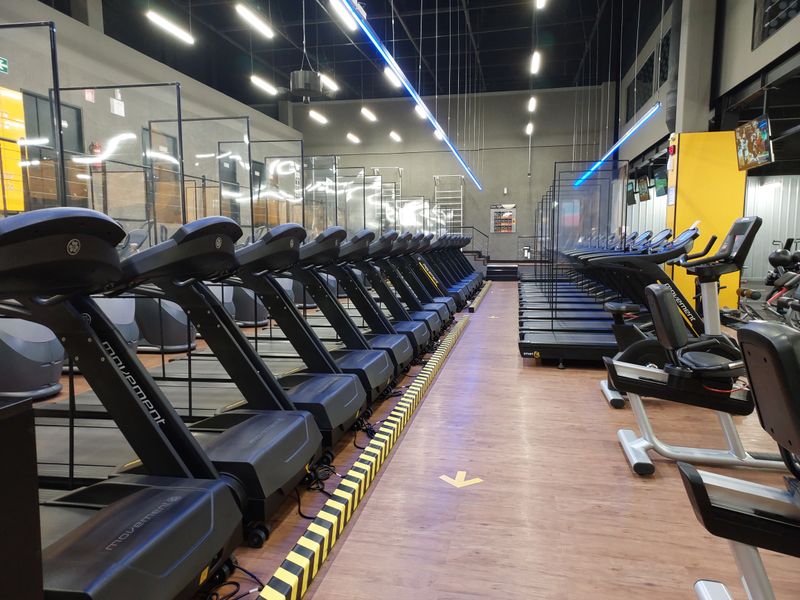
A new mid-range treadmill costs $800 to $1,500. The same treadmill (or a better commercial-grade one) sells on Facebook Marketplace or Craigslist for $100 to $400 after two or three years of light home use. The price drop is partly depreciation and mostly people clearing out space.
The risk is real but manageable. Cardio equipment fails in predictable ways. If you know what to inspect, you can identify a problem unit before you rent a truck to haul it home.
Here's how to buy used cardio equipment without getting burned.
Where to Look#
Facebook Marketplace is the best source for used home gym equipment. Geographic filtering, photos, and seller profiles make it easy to assess listings before reaching out. Most home cardio equipment sells within 20 to 50 miles of where it was purchased, so you're likely dealing with a local individual rather than a dealer.
Craigslist still has good inventory in most cities. The interface is worse, the photo quality is lower, and the listings are harder to filter, but the prices are often lower because sellers have less visibility into what comparable items are selling for.
Gym closures and auctions: Commercial gyms that close, relocate, or upgrade their equipment sometimes sell their fleet publicly. Commercial-grade treadmills are built to a significantly higher standard than home models and can withstand 40 to 80 hours of use per week. A 5-year-old commercial treadmill with proper maintenance often has more life remaining than a 2-year-old home model.
Estate sales occasionally have cardio equipment from people who bought high-quality machines and used them rarely. These can be excellent value.
What Equipment Is Worth Buying Used#
Treadmills: Yes. The main wear components are the belt and deck, both of which are replaceable for $50 to $200 depending on the model. A belt that's worn but otherwise functional is a negotiating point, not a dealbreaker.
Ellipticals: Yes. They have fewer wear parts than treadmills. The main issues are bearing noise and console problems. Bearings can be replaced; console issues are harder and sometimes not worth the repair cost.
Stationary bikes (upright and spin): Yes. Mechanical bikes with minimal electronics have very few failure modes. High-end spin bikes like Schwinn or older commercial models are often excellent used purchases.
Rowing machines: Yes. Air-resistance rowers (Concept2 is the standard) hold their value well and almost never have meaningful mechanical issues. A used Concept2 at half price is still more expensive than a budget new rower, but it'll outlast three of them.
Treadmills with interactive subscriptions (Peloton Tread, iFit): Caution. The hardware may be fine, but subscription-dependent features create a recurring cost that doesn't disappear with the used purchase. Buy these only if the hardware price reflects the subscription requirement.
The Inspection Checklist#
Do this before you agree to buy anything. Ask the seller if you can test the equipment before picking it up; anyone with a working, honest machine will say yes.
Treadmill#
Belt and deck:
- Walk on it at 2–3 mph for 2 minutes. The belt should move smoothly without catching, slipping, or making a scraping sound.
- Run your hand under the deck from the back while the belt is stopped. The underside of the belt should feel slightly waxy from lubrication. If it feels dry and abrasive, the deck may be worn, which is a significant repair cost.
- Look at the belt surface for fraying, tears, or uneven wear across the width. Center wear is normal. Edge fraying means the belt is near end of life.
Motor:
- Listen for grinding, hesitation, or surging during the first 30 seconds of use. A healthy motor hums; a failing one stutters.
- Increase speed gradually. The belt shouldn't slip or skip.
Frame and rollers:
- Step on and off the side rails. They should be solid. Any flexing or cracking sounds in the frame suggest structural wear.
- Grab the handrails and apply lateral pressure. They should be firm with no wobble.
Console:
- Test all buttons: speed up, speed down, incline up, incline down, stop, and all preset programs.
- Check the display. Dim segments or dead sections on an LCD are cosmetic but also suggest the console is aging.
- If a console is completely dead but the machine runs manually, the repair cost varies widely by model. Get the model number and check part availability before deciding.
Elliptical#
Stride and bearings:
- Use it for 3 to 5 minutes at moderate resistance. The motion should be smooth throughout the stride cycle. Any clicking, grinding, or rhythmic thunking usually indicates worn crank bearings.
- Bearing replacement on consumer ellipticals runs $40 to $100 in parts but can be labor-intensive. Commercial ellipticals are designed for easier maintenance.
Pedals and links:
- Step on the pedals and apply lateral pressure. Some play is normal; significant side-to-side wobble suggests worn bushings in the link arms.
- Check the pedal surface for cracks. Worn or cracked foot pedals are cheap to replace and a normal maintenance item.
Resistance:
- Cycle through all resistance levels. The transition should be smooth. Resistance that jumps, doesn't change, or feels the same at all levels indicates a console-to-motor communication problem.
Stationary Bike#
Resistance mechanism:
- For friction-resistance bikes: the pad should engage smoothly when you turn the resistance knob, and the wheel should stop quickly when you press down on the knob (emergency stop).
- For magnetic resistance: cycle through all levels and confirm the change in pedaling effort.
Pedals and crank:
- Spin the crank by hand. It should rotate freely with no grinding.
- Check pedal threading. Cross-threaded pedals are a cosmetic issue but annoying to fix.
Seat and handlebar post:
- Adjust both. They should move smoothly and lock firmly at the desired position. A post that doesn't lock securely is a safety issue.
Red Flags That Mean Walk Away#
- Seller won't let you test the equipment before buying
- Console is dead and seller can't explain why
- Strong burning smell during use (motor or belt overheating)
- Frame cracks or welds that look stressed or repaired
- Inconsistent resistance that can't be adjusted reliably
- "Needs minor repair" in the listing without specifics
Negotiating#
If you find a legitimate issue during inspection (a worn belt, dead console button, cosmetic damage), use it. A $200 treadmill with a $60 belt replacement is worth about $140. Say so. Most private sellers price high expecting to negotiate.
Don't negotiate over cosmetic issues that don't affect function. Scratches and scuffs on a treadmill you're putting in a garage don't matter. Save your negotiating for things that cost money to fix.
Getting It Home#
Cardio equipment is heavy and awkward. Treadmills typically weigh 150 to 300 pounds. Most fold; confirm this before committing, since a non-folding treadmill in a small space is a problem.
Bring help. A furniture dolly and moving straps make the job much easier. If the seller is willing to help load it, that's a good sign about how the machine was treated.
The Math#
A $300 used treadmill with $60 in belt maintenance is a $360 treadmill that works for years. The same quality new would cost $900 to $1,200. The savings justify the inspection time by a significant margin.
The risk isn't that used equipment is unreliable; most of it is fine. The risk is buying something without looking at it carefully. The checklist above takes 15 minutes and filters out the machines that are genuinely near end of life.
Do this today: If you've been considering a treadmill or elliptical, spend 20 minutes on Facebook Marketplace right now and look at what's available within 30 miles. Sort by price. Note the model numbers of anything interesting and look up the replacement cost for the belt or main wear part. You'll find out quickly whether the asking price makes sense.