The activewear market has grown into a multi-billion dollar industry by convincing people that performance clothing is a meaningful part of training. High-end leggings, compression everything, moisture-wicking systems, and brand-specific fabrics: all of it carries the implicit message that what you wear affects what you can do.
Some of it is true. Most of it is marketing.
Here is what your workout clothing actually needs to do, what is worth spending on, and where the budget-conscious athlete should stop.
What Workout Clothing Actually Needs to Do#
The functional requirements for training clothing are minimal:
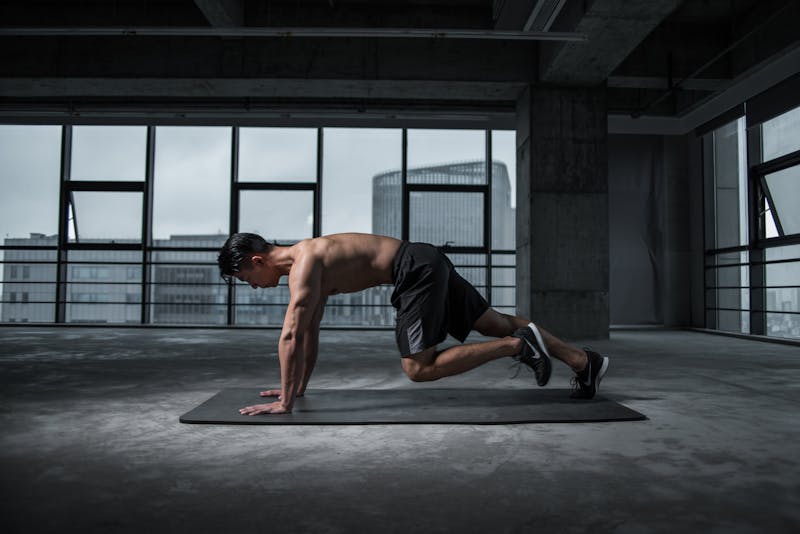
Not restrict movement. Your top should not bind across the shoulders when you reach overhead. Your shorts or leggings should not ride up or constrict during a lunge. That is the primary technical requirement.
Manage moisture reasonably well. Cotton holds sweat against your skin and stays wet, which causes chafing on long sessions and makes you cold if you stop moving. Synthetic fabrics move moisture away from the skin more effectively. This matters more as workout duration and intensity increase.
Stay in place. Shorts that require constant adjustment during a run and waistbands that roll down during a deadlift are practical problems that affect your workout. This is a fit issue as much as a quality issue.
That is most of the list. A shirt that moves with you and does not hold moisture will serve you well regardless of whether it cost twelve dollars or eighty-five.
What Is Worth Spending On#
Shoes#
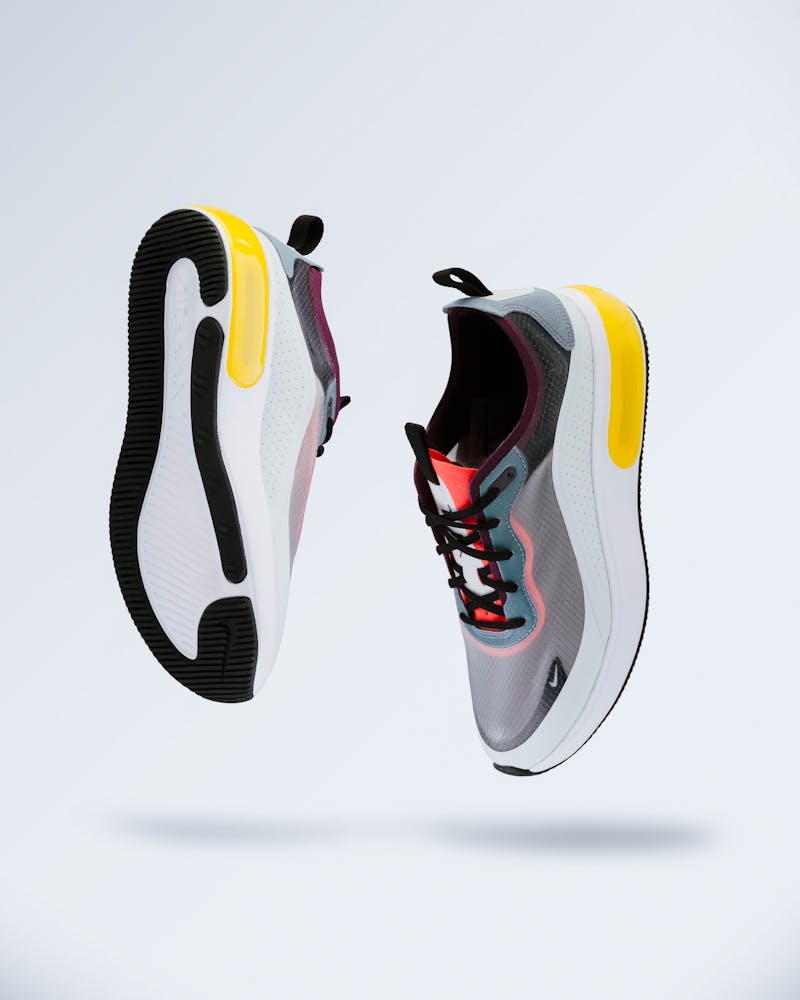
This is the one category where spending more often delivers a real performance and injury-prevention benefit. The wrong shoe for your activity creates biomechanical problems that show up over time. Cross-training shoes for gym work, running shoes for running, trail shoes for trail running.
You do not need to spend two hundred dollars on shoes, but the budget floor matters. Poorly made athletic shoes with inadequate cushioning and structure cause real problems. The best budget running shoes guide covers specific options in the fifty to ninety dollar range that perform well.
Sports Bra#
For women, fit and support in a sports bra directly affects comfort and range of motion during training. This is one area where paying more sometimes buys better construction, and where the wrong choice creates an actual training problem. Impact level matters: a low-impact bra that works for yoga is not adequate for running.
Workout Leggings (One Good Pair)#
A well-fitting pair of athletic leggings or compression shorts is worth buying correctly once. The key features are a secure waistband, a gusset for range of motion, and fabric that does not pill immediately. You do not need to spend sixty dollars for this. You also probably want to avoid the cheapest options, which tend to be sheer and lose their shape quickly.
What You Can Skip Entirely#
Compression Sleeves and Socks (For Most People)#
The research on compression garments shows modest benefits for elite athletes doing two-a-days or competing at high volume. For recreational athletes working out three to five times a week, the performance benefit is minimal.
A 2014 review in the British Journal of Sports Medicine found that compression garments showed no significant improvement in performance for recreational-level athletes, though some people report reduced perceived soreness after long efforts. If compression gear feels good to you, wear it. It is probably not doing much, and it is not worth its typical price premium.
Brand-Name Everything#
You are not a sponsored athlete. The brand on your shirt does not affect how hard your muscles work. Premium activewear brands sell real quality products, but they also charge significantly for the logo and aesthetic. If the aesthetic matters to you and fits your budget, that is a valid choice. If you are trying to train effectively at low cost, the brand name is pure overhead.
A comparison of premium activewear versus budget alternatives on actual training performance is covered in detail in the Lululemon vs. Target All in Motion article.
Specialized Shirts for Every Activity#
You do not need a separate shirt for running, lifting, yoga, and cycling. A moisture-wicking athletic shirt covers all of them adequately. The activity-specific marketing around athletic tops is largely a way to sell more shirts to the same person.
"Smart" Athletic Wear#
Biometric-sensing leggings, app-connected compression shorts, and garments with embedded sensors: all of this technology exists, none of it is necessary for the type of training most people do. If your fitness tracker gives you meaningful data, wear the fitness tracker. The clothing itself does not need to be connected.
What Budget Workout Clothing Actually Looks Like#
The practical floor for functional workout clothing is lower than most people assume.
For tops, moisture-wicking polyester or nylon blends work well and are available from many brands at prices well below the premium names. Champion, Hanes Sport, and Amazon Essentials all produce athletic shirts that do what a shirt needs to do: move with you and manage moisture.
Moisture-wicking jersey fabric with a comfortable athletic cut. Holds up through repeated washing better than many budget options.
Check price on AmazonFor shorts, the requirements are freedom of movement and a waistband that stays put. A brief liner is useful for higher-intensity training. Again, the budget options cover this adequately.
Lightweight quick-dry fabric with an internal brief liner. Does what training shorts need to do at a fraction of the premium-brand price.
Check price on AmazonFor leggings, the key quality threshold is fabric that does not become sheer when stretched and a waistband that does not roll. The Amazon Essentials active legging clears both requirements at a budget price.
High-waist cut, non-see-through fabric, and four-way stretch. A functional option at roughly a quarter of the cost of premium alternatives.
Check price on AmazonThe Real Cost Math#
A complete workout wardrobe at budget prices:
- Two or three athletic shirts: $25 to $45
- Two pairs of athletic shorts or leggings: $30 to $40
- One pair of athletic shoes: $50 to $90
Total: $105 to $175, and that is a complete kit. You do not need to refresh it seasonally. You do not need matching sets. You need clothing that moves with you and does not hold sweat.
The same kit from premium activewear brands runs three to five times as much for clothing that performs the same function during a workout.
The Part Nobody Wants to Hear#
No item of clothing will make you more consistent. The person who shows up in old cotton shorts three times a week gets more fitness benefit than the person who buys a premium kit and uses it once.
The biggest workout clothing mistake is not wearing the wrong brand. It is treating the purchasing of gear as a substitute for the actual training. Spend the minimum that removes practical obstacles (chafing, restriction, slipping), and redirect everything else toward what actually builds fitness.
Do this today: Look at what you already own. If your current workout clothes move freely, manage sweat adequately, and stay in place, you have everything you need. If not, one targeted purchase on the list above solves the problem for under twenty dollars.